
Lawn Care & Maintenance
Grass Cutting and Garden Maintenance: A UK Homeowner's Guide to a Healthier Lawn
By Russ ·
Good grass cutting is about far more than simply keeping the lawn short. Cut too often, too low, or at the wrong time of year and you can weaken the grass, invite moss and weeds, and leave the garden looking tired. Get it right, the correct height, a sensible schedule, and a bit of care beyond the mower, and even an ordinary British lawn can look lush, green and healthy right through the seasons. Here's how we approach it.
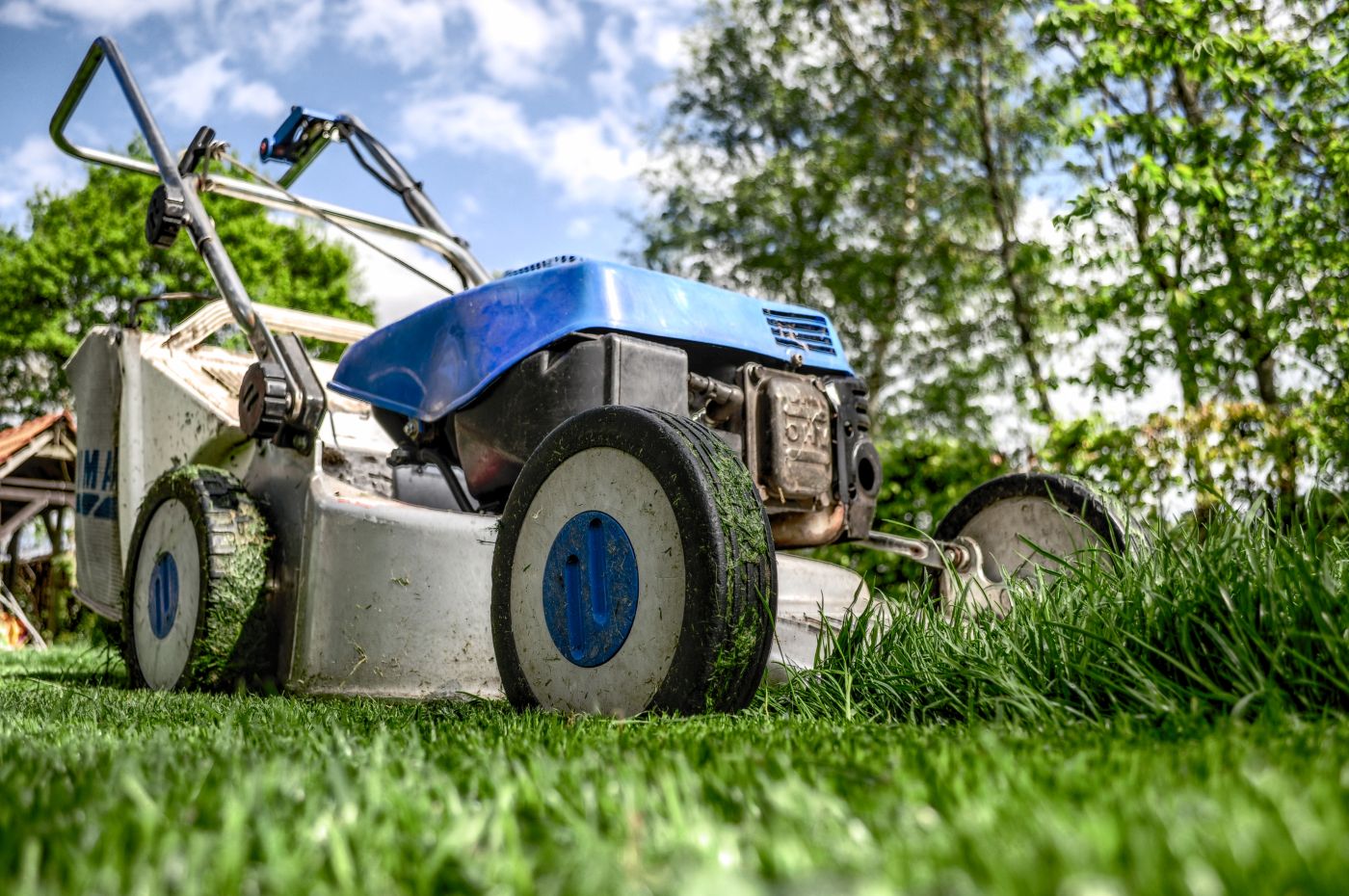
A healthy lawn is the result of consistent, sensible maintenance, not just frequent cutting.
The One-Third Rule: Never Cut Too Much at Once
If you remember one thing about grass cutting, make it this: never remove more than one-third of the grass height in a single cut. It's the single most important rule professional groundskeepers and the RHS both follow, and it's the one most home gardeners break.
Grass makes its food in its leaves. Scalping the lawn, taking off half or more in one go, strips away that leaf area, stresses the plant, and forces it to draw on root reserves to recover. The result is a lawn that yellows, thins out, and leaves bare patches where moss and weeds happily move in. Cutting little and often, so you only ever take off the top third, keeps the grass growing thick, green and resilient.
The Right Cutting Height Through the Seasons
There's no single "correct" mowing height, it changes with the time of year and how you use the lawn. As a general UK guide:
- Spring, autumn and winter: keep the grass around 4cm (about 1½ inches) tall.
- Summer: you can drop to around 2.5cm (1 inch) for a fine, ornamental look, but in a dry spell, raise the blades again (see below).
- The first cut of the year: always on the mower's highest setting, just to tidy the tips.
- Family lawns, shady spots and hard-wearing grass: err on the longer side. Longer grass has more leaf, deeper roots and copes far better with footfall, drought and shade.
During hot, dry summer weather, resist the urge to cut short. Leaving the grass a little longer shades the soil, slows evaporation and helps the lawn stay green when everyone else's is going straw-coloured.

Cutting little and often, taking off no more than a third each time, keeps a lawn thick and green.
How Often Should You Cut Your Grass? A UK Seasonal Guide
British grass growth is driven by warmth and moisture, so the right frequency shifts through the year. As a rough month-by-month guide for a typical UK lawn:
Season Months Typical mowing frequency
Early spring | March Once a fortnight, high cut, as growth wakes up
Late spring | April-May Weekly, the fastest growth of the year
Summer | June-August Weekly, easing off and raising the height in dry spells
Autumn | September-October Weekly, then fortnightly as growth slows; raise the height
Winter | November-February Rarely needed, only an occasional tidy in mild spells
These are guidelines, not rules, a warm, wet week in October can push growth as hard as May, while a cold snap in spring can halt it. The lawn itself is the best guide: if it's grown by more than a third, it's ready for a cut. Never mow when the grass is frosted or waterlogged, as you'll damage both the lawn and the soil beneath it.
Garden Maintenance Beyond the Mow
A crisply cut lawn only looks its best when the rest of the garden is kept in check around it. The jobs that make the biggest difference to how a garden reads are often the quick ones:
- Edging: a clean edge between lawn and border does more for a tidy look than almost anything else. A half-moon edging iron once or twice a season, kept sharp with long-handled shears, frames the whole lawn.
- Hedges: most common UK hedges are best trimmed once or twice in the growing season, but check for nesting birds first, as active nests are protected by law between roughly March and August.
- Borders and weeds: staying on top of weeds before they seed saves hours later. Regular light hoeing and hand-weeding keeps beds under control without chemicals.
- Clearing debris: raking off fallen leaves and clippings stops them smothering the grass and encouraging moss, especially through autumn.
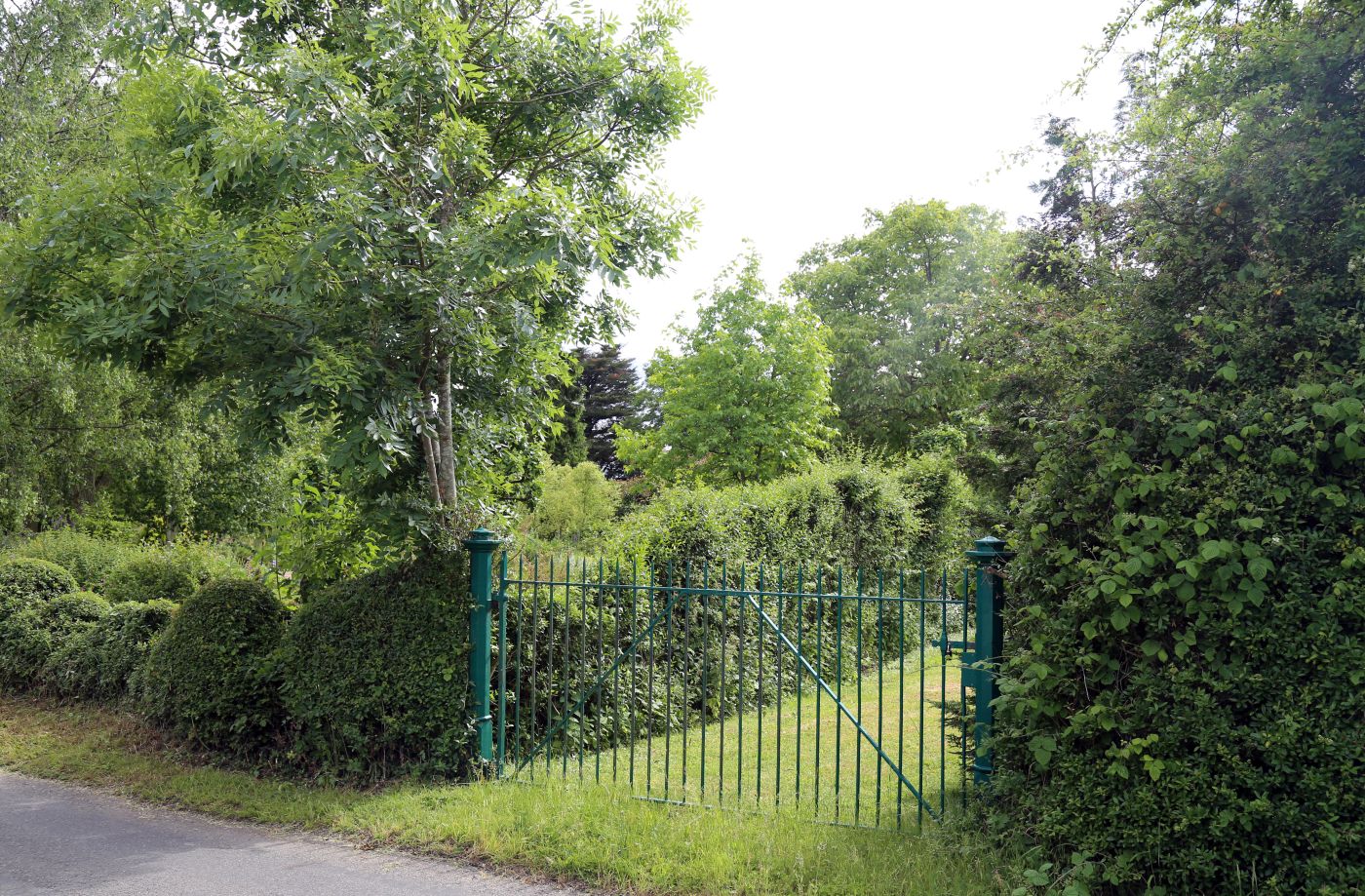
Crisp edges and trimmed hedges frame a lawn and make the whole garden look cared for.
Feeding, Scarifying and Aerating: The Health Beneath the Blades
Mowing keeps a lawn tidy; feeding and care keep it healthy. Three jobs are worth knowing about:
- Feeding: a spring/summer feed (higher in nitrogen) encourages green, leafy growth from April onwards. A different autumn feed (lower nitrogen, higher potassium) toughens the grass up for winter, never use a spring feed in autumn, as the soft growth it triggers won't survive the cold.
- Scarifying: raking out the built-up layer of dead "thatch" and moss lets air, water and nutrients reach the roots. Early autumn is the classic time, with a lighter spring scarify also an option.
- Aerating: spiking the lawn to relieve compaction, a common problem on the heavy clay soils found across much of the Midlands, helps drainage and root growth. Autumn is ideal.
Do these at the right time and overseed any thin patches afterwards, and a struggling lawn can be transformed over a single season.
Feeding, scarifying and aerating at the right time of year build the healthy turf that mowing then shows off.
No Mow May and Wildlife-Friendly Lawns
Not every lawn has to be a bowling green. The No Mow May campaign, run by the charity Plantlife, encourages putting the mower away for the month to let wildflowers bloom and feed pollinators, an unmown lawn can produce many times more nectar than a closely cut one.
You don't have to choose between tidy and wildlife-friendly, though. Mowing neat paths and keeping the edges trimmed while letting a central area grow longer gives you the best of both: a garden that clearly still looks cared for, but does more for bees and butterflies. Even switching part of the lawn from weekly cuts to monthly, with the blades raised, makes a real difference.
When to Call in a Professional
Plenty of people are happy to keep their own lawn ticking over, and there's real satisfaction in it. But grass cutting and garden maintenance is time-consuming and, at the wrong time of year or on an overgrown or awkward plot, easy to get wrong. A regular professional visit, weekly, fortnightly or monthly to suit your garden, keeps everything consistently in shape without the weekends spent behind a mower, and means the seasonal jobs like feeding, scarifying and aerating actually get done, at the right time.
At Turf Masters we look after grass cutting and lawn mowing, hedge cutting, turf care and weed removal for homes and businesses across the West Midlands, Staffordshire, Cheshire and Shropshire, as a one-off tidy-up or on a regular schedule that suits you. Whatever state your lawn is in, we're happy to take a look and give you an honest, no-obligation quote.
Book your free quote and we'll help keep your garden looking its best all year round, or browse all our services to see how we can help.
Image credits: "lush green lawn" and "healthy mown turf" are released under CC0 (public domain). "Cutting the grass" by Kolforn and "Betts Lane garden and hedge" by Acabashi are used under the CC BY-SA 4.0 licence and have been resized for the web. These are illustrative stock photographs, not images of Turf Masters' own work.
- grass cutting
- lawn mowing
- garden maintenance
- lawn care
- seasonal lawn care